Which treatments do I offer at Nguyen Vision?
I offer specialist eye care across several areas of ophthalmology, with a particular interest in cataract surgery, lens replacement surgery and glaucoma treatment.
As a Consultant Eye Surgeon, I help patients understand their eye health and explore the treatments that may be suitable for them. My approach is personal. Your age, prescription, eye health, lifestyle and expectations all matter when deciding how to manage your vision.
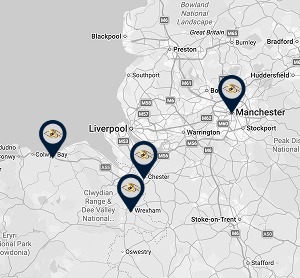
I see patients at clinics in Wrexham, Abergele, Chester and Manchester, serving people across North Wales and North West England.
Whether you are struggling with cloudy vision, finding it harder to read or living with glaucoma, the first step is to understand what is happening with your eyes. From there, we can discuss your options and decide on a suitable way forward.
Which eye conditions and treatments do I specialise in?
My main areas of interest are:
- Cataract surgery: removing a cloudy natural lens and replacing it with an artificial lens to improve vision.
- Lens replacement surgery: replacing the natural lens to correct certain focusing problems and reduce dependence on glasses.
- Glaucoma treatment: monitoring and managing glaucoma to help protect the optic nerve and preserve vision.
I also see and treat a wider range of general eye conditions. The most appropriate treatment will depend on your diagnosis and individual circumstances.
Cataract surgery
A cataract develops when the natural lens inside your eye becomes cloudy. This can make your vision blurred or hazy and affect how you see colours, bright lights and objects in low-light conditions.
You may notice that reading becomes harder, driving at night is less comfortable or your glasses no longer seem to give you clear vision.
Cataract surgery removes the cloudy natural lens and replaces it with an artificial intraocular lens (IOL). The aim is to improve the clarity of your vision and help you return to the activities that matter to you.
There are different surgical techniques and lens options available. The right approach depends on the condition of your eyes, the type of cataract and your visual needs.
What types of cataract surgery do I offer?
The main surgical approaches I offer include phacoemulsification, manual small incision cataract surgery and laser-assisted cataract surgery.
Phacoemulsification
Phacoemulsification is a commonly used technique for cataract surgery. It involves making a small opening in the eye and using ultrasound energy to break up the cloudy natural lens. The lens fragments are then removed, and an artificial lens is placed inside the eye.
Manual small incision cataract surgery (MSICS)
MSICS uses a slightly larger incision to remove the cloudy natural lens. It may be appropriate in certain cases, including some patients with very dense or advanced cataracts.
Laser-assisted cataract surgery
Laser-assisted cataract surgery uses laser technology to assist with certain stages of the procedure. The cloudy lens is still removed and replaced with an artificial intraocular lens.
Not every technique is suitable for every patient. During your assessment, I will examine your eyes and explain which surgical approach may be appropriate.
You can learn more about premium cataract surgery and the options available.
Lens replacement surgery
Lens replacement surgery, also known as refractive lens exchange (RLE), involves removing your natural lens and replacing it with an artificial intraocular lens.
The procedure is closely related to cataract surgery, as both involve replacing the natural lens. However, the reasons for having each procedure are different.
Cataract surgery treats a cloudy natural lens that is affecting your vision. Lens replacement surgery may be considered when you have focusing problems, such as age-related difficulty seeing close objects, even if you do not have a significant cataract.
It can be an option for some people who want to reduce their dependence on glasses or contact lenses. It may also be considered when laser eye surgery is not the most suitable choice.
Whether lens replacement is right for you depends on your prescription, eye health, age and visual expectations. A detailed assessment is needed before deciding on surgery.
Find out more about lens replacement surgery and what the procedure involves.
Which lens options are available for cataract and lens replacement surgery?
Choosing an artificial lens is an important part of cataract and lens replacement surgery. Different lenses are designed to provide different ranges of vision, so the right choice depends on your eyes and what you want to achieve.
There is no single lens that is best for everyone. I will discuss the available options with you and explain their potential benefits and limitations.
Monofocal lenses
Monofocal lenses are designed to provide clear vision at one main distance. This is often distance vision, although the choice can be planned around your individual needs.
You may still need glasses for activities such as reading or using a computer.
Multifocal lenses
Multifocal lenses are designed to provide vision at more than one distance. They may reduce your dependence on glasses for activities such as reading, using a computer and seeing things in the distance.
However, they are not suitable for everyone. Some people may experience visual effects such as glare or halos, particularly around lights at night. Your eye health and visual requirements need to be considered before choosing this option.
Extended depth of focus (EDOF) lenses
EDOF lenses are designed to provide a broader range of vision than traditional monofocal lenses. They may offer a useful balance between distance and intermediate vision for some patients.
As with multifocal lenses, suitability depends on your individual eyes and expectations.
Toric lenses
Toric lenses are designed to correct astigmatism, which occurs when the shape of the eye causes light to focus unevenly. They may be considered when astigmatism is affecting your vision and a suitable lens can help address it.
You can explore the different options in my guide to premium lenses.
Glaucoma treatment
Glaucoma is a group of eye conditions that can damage the optic nerve, which carries visual information from your eye to your brain. This damage can lead to permanent changes in your vision.
Glaucoma often develops gradually, and you may not notice symptoms in its early stages. This is why regular eye examinations and monitoring are important, particularly if you have been diagnosed with the condition or have an increased risk of developing it.
My approach to glaucoma treatment focuses on managing the condition and protecting your remaining vision.
What glaucoma treatments are available?
The most suitable treatment depends on the type of glaucoma, how advanced it is and how your condition responds to treatment.
Treatment may include:
Monitoring: Regular checks help assess your eye pressure, optic nerve and visual field. These results allow changes in your condition to be identified and treatment to be reviewed.
Eye drops: Glaucoma drops are commonly used to lower eye pressure. Different types work in different ways, and your treatment will depend on your individual needs.
Laser treatment: Certain laser procedures can help manage eye pressure in people with particular types of glaucoma.
Glaucoma surgery: If other treatments are not controlling the condition sufficiently, surgery may be considered. The aim is to improve the drainage of fluid from the eye and help lower eye pressure.
My specialist interests include minimally invasive glaucoma surgery (MIGS), trabeculectomy, non-penetrating glaucoma surgery and glaucoma implant surgery for more complex cases.
Glaucoma treatment does not restore vision already lost to optic nerve damage. However, appropriate management can help slow or prevent further damage. Regular monitoring remains important, even when you are not experiencing noticeable symptoms.
You can find out more about glaucoma and its treatment options.
How do I decide which eye treatment is right for you?
Choosing an eye treatment is not simply about selecting the newest technology or the most advanced lens. It is about finding an option that is appropriate for your eyes and your needs.
During your consultation, I want to understand how your vision affects your everyday life. We will discuss what you find difficult, whether you rely on glasses, what you would like to improve and what you hope to achieve from treatment.
I will also assess your eye health and explain any factors that could affect your suitability for a particular procedure.
For cataract and lens replacement surgery, this includes discussing the different surgical techniques and artificial lens options. For glaucoma, it means understanding the condition, reviewing your test results and considering how best to manage it over time.
I will explain the potential benefits, limitations and risks of the options available so that you can make an informed decision. You should have a clear understanding of your treatment before deciding how to proceed.
Where can I see Dan Nguyen for eye treatment?
I see patients across North Wales and North West England. My clinic locations are:
- Wrexham: Spire Yale Hospital.
- Abergele: Spire Healthcare Abergele Clinic.
- Chester: The Grosvenor Hospital.
- Manchester: Regency Eye Hospital.
If you live in or around these areas and are considering private cataract surgery, lens replacement or glaucoma treatment, you can arrange an initial telephone appointment to discuss your concerns and possible next steps.
Book a telephone appointment with Dan Nguyen
If changes in your vision are affecting your daily life, you do not have to work out your treatment options alone.
Book a telephone appointment with my team to discuss your concerns, your eye health and what you would like to achieve. We can talk through your circumstances and help you understand whether an in-person consultation may be the right next step.
My aim is to help you understand your options and find a way forward that is right for you.
Book a telephone appointment and take the first step towards better vision.

Share This Post


Mr Dan Nguyen
Consultant Eye Surgeon
I‘m your guide to better vision. In times when long waiting lists and unclear options are the norm, it’s easy to feel stuck and worried about your eye health. Don’t let that hold you back. I’m here to show you that you can skip the endless queues and make real progress. Remember, you’re unique, not just another name on a list. Every patient I see receives top-notch care, tailored to their specific needs and lifestyle.