Can cataracts come back?
If you are thinking about cataract surgery, or if you have already had the procedure, you may have wondered whether cataracts can come back.
This is one of the most common questions eye surgeons hear from patients.
The simple answer is no. Once a cataract has been removed, it cannot grow back.
However, some people notice blurry vision months or years after surgery and think their cataract has returned. In most cases, something else is causing the change in vision.
If you are considering treatment with Dan Nguyen in Wrexham, understanding what happens after cataract surgery can help you feel more confident about your eye care journey.
What is a cataract?
Understanding the natural lens
Inside your eye is a clear lens.
This lens helps focus light onto the retina so you can see clearly.
As we get older, proteins inside the lens can begin to break down and clump together.
This causes the lens to become cloudy.
The cloudy lens is called a cataract.
How cataracts affect vision
As a cataract develops, vision may become blurry or dull.
Colours may seem less bright.
Reading can become more difficult and bright lights may cause glare.
These changes often happen slowly over time.
What happens during cataract surgery?
The cloudy lens is removed
During cataract surgery, the cloudy natural lens is removed from the eye.
The surgeon replaces it with a clear artificial lens called an intraocular lens, or IOL.
The artificial lens is designed to remain in the eye permanently.
A new lens cannot develop a cataract
Unlike the natural lens, the artificial lens cannot become cloudy from a cataract.
This means the cataract itself cannot return after surgery.
Once it has been removed, it is gone for good.
Why do some people think their cataract has come back?
Vision may become blurry again
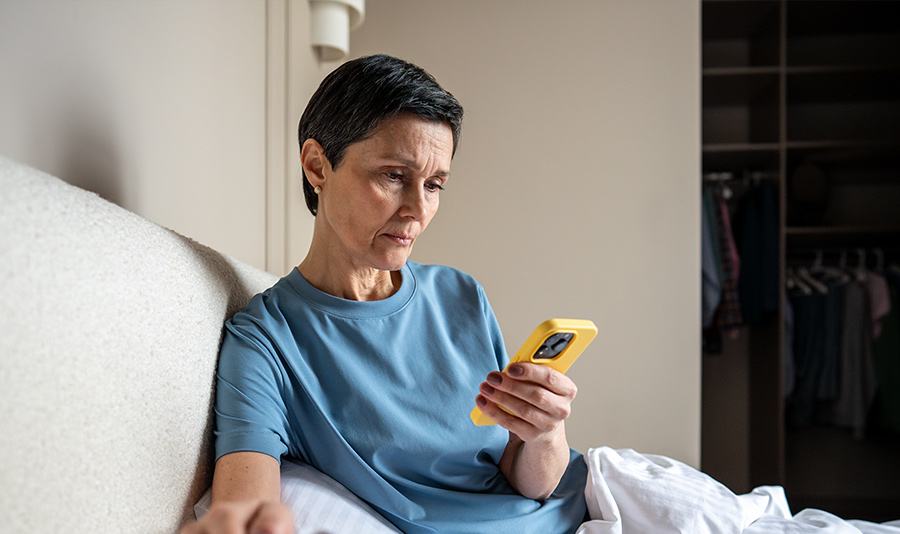
Some patients notice that their vision becomes cloudy months or even years after surgery.
This can feel very similar to the symptoms they experienced before cataract surgery.
Because of this, many people believe the cataract has returned.
Another condition is often responsible
In most cases, the cataract has not come back.
Instead, a thin membrane behind the artificial lens has become cloudy.
This condition is very common and is known as posterior capsule opacification, sometimes called a secondary cataract.
What is posterior capsule opacification?
A common change after surgery
During cataract surgery, part of the natural lens capsule is left in place to support the artificial lens.
Over time, cells can grow on this capsule.
This may cause the capsule to become cloudy.
Similar symptoms to cataracts
Posterior capsule opacification can cause symptoms that feel very similar to a cataract.
Vision may become blurry.
Glare from lights may return.
Reading and other daily tasks may become more difficult.
Although the symptoms feel similar, this is not a new cataract.
How common is posterior capsule opacification?
It can happen months or years later
Some patients develop posterior capsule opacification within months of surgery.
Others may not notice it until years later.
Some people never develop it at all.
It is usually easy to treat
The good news is that this condition can often be treated quickly and effectively.
Your eye specialist can assess your vision and determine whether treatment is needed.
How is posterior capsule opacification treated?
A simple laser procedure
If the capsule becomes cloudy, a laser treatment called a YAG laser capsulotomy may be recommended.
This procedure creates a clear opening in the cloudy capsule.
Light can then pass through the eye more easily again.
No surgical incision is required
The treatment is usually performed in a clinic setting.
No cuts are made to the eye.
Many patients find the procedure quick and comfortable.
Vision often improves quickly
Many people notice clearer vision shortly after treatment.
Your eye specialist will explain what to expect based on your individual circumstances.
Are there other reasons for blurry vision after cataract surgery?
Eye health can change over time
Even after successful cataract surgery, other eye conditions can develop as we age.
These conditions may affect vision and cause symptoms that seem similar to cataracts.
Regular eye examinations remain important
Routine eye examinations help monitor your eye health and identify any changes early.
This is true whether or not you have had cataract surgery.
How long do cataract surgery results last?
The artificial lens is permanent
The artificial lens placed during cataract surgery is designed to remain in the eye permanently.
It does not wear out and does not need regular replacement.
Many patients enjoy long-term improvements
Many people continue to enjoy clearer vision for many years after cataract surgery.
The exact result depends on factors such as overall eye health and any other eye conditions that may develop over time.
When should you seek advice?
Changes in vision should be checked
If you notice blurred vision, increased glare, or changes in your sight after cataract surgery, it is important to arrange an eye examination.
Although cataracts cannot return, other conditions may need attention.
Early assessment provides reassurance
Most causes of blurry vision after cataract surgery can be investigated quickly.
An assessment can help determine the cause and discuss possible treatment options.
Why personalised care matters
Every eye is unique
No two patients are exactly the same.
Your age, eye health, vision goals, and medical history all play a role in your eye care journey.
Expert guidance throughout treatment
For patients in Wrexham, Dan Nguyen provides detailed eye assessments and personalised advice before and after cataract surgery.
This helps patients understand their options and feel confident about their long-term vision care.
Take the next step toward clearer vision
Cataracts cannot come back once they have been removed.
However, some patients may experience blurry vision later due to changes such as posterior capsule opacification or other eye conditions.
The good news is that these issues can often be assessed and managed effectively.
If cataracts are affecting your vision now, the first step is finding out whether treatment may be right for you.
Take the suitability self test today. It only takes a few minutes and can help you understand your options for clearer vision.
A brighter future could be closer than you think.