Private cataract and lens replacement surgery starts from £3,000 per eye, so it makes sense to ask whether it’s worth the money. For some people it clearly is, because they want to avoid a long NHS wait or choose a lens that means relying less on glasses. For others, free NHS cataract surgery is the better choice.
In this guide, Mr Dan Nguyen, consultant ophthalmic surgeon in Manchester and North Wales, explains what private surgery costs, how it compares with the NHS, and how to work out which route suits you.
How much does private eye surgery cost in the UK?
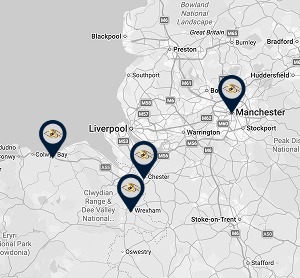
At Mr Dan Nguyen’s clinics in Manchester, Wrexham and Abergele, private cataract surgery and lens replacement start from £3,000 per eye, or from £6,000 for both eyes. Premium lenses cost more. Prices vary between UK private providers, so compare what each quote includes as well as the headline figure.
| Treatment | Per eye | Both eyes | Example monthly finance* |
| Standard cataract surgery | From £3,000 | From £6,000 | From £57.25 per eye |
| Premium cataract surgery | From £3,500 | From £7,000 | From £66.79 per eye |
| Lens replacement (monofocal lens) | From £3,000 | From £6,000 | From £57.25 per eye |
*Representative example: Cash price £3,000. Deposit £300 (10%). Amount of credit £2,700. 60 monthly payments of £57.25. Representative APR 9.9%. Total amount payable £3,735. Credit is subject to status and affordability.
For a full breakdown, see our price and financing page and our guide to lens replacement costs.
Is private cataract surgery better than NHS surgery?
Private cataract surgery is not safer than NHS surgery, but it is usually faster, offers more lens choice and means seeing the same consultant throughout. NHS cataract surgery is free and safe, and many people are well served by it. Lens replacement purely to reduce the need for glasses is not generally available on the NHS, so for that procedure private care is the main route.
The table below compares NHS and private cataract surgery.
| NHS cataract surgery | Private cataract surgery | |
| Cost | Free | From £3,000 per eye |
| Waiting time | Varies by area; can be several months | Usually 3 weeks from consultation |
| Lens choice | Usually a standard monofocal lens; most people still need reading glasses | Monofocal or premium lenses, which can reduce the need for glasses |
| Surgeon | Often a member of the hospital team; you may not meet them until surgery day | The same consultant from consultation to follow-up |
If your vision is affecting your driving, work or safety, the wait can matter as much as the price. You can check your local NHS waiting times with your optometrist or GP.
How do you decide if private eye surgery is worth it?
Start with what you already spend. Glasses, varifocals and contact lenses add up over the years, and a premium lens can reduce that cost for many people, though not for everyone.
Next, think about the cost of waiting. If a cataract is affecting your driving, work or confidence, months on a waiting list have a real cost, even when the surgery itself is free.
Finally, consider which lens you want. If you are happy to wear reading glasses afterwards, a standard lens, or NHS surgery for a cataract, may suit you well. If you want to rely less on glasses, a premium lens costs more but may be worth it. A good surgeon should also tell you if surgery is not the right choice for you.
What results can you expect, and what are the risks?
Most people see clearly again within days to weeks, and cataract surgery is one of the most commonly performed operations in the UK. You may still need glasses for some tasks, depending on the lens you choose.
Premium lenses can cause halos or glare around lights at night, which usually becomes less noticeable over time. Some people develop a cloudy membrane behind the new lens months or years later, which is treated with a quick laser procedure. Serious complications such as infection or retinal detachment are rare, and Mr Nguyen will explain your personal risks at consultation.
How can you pay for private eye surgery?
You can pay in full, spread the cost with finance, or use private medical insurance. Finance lets you spread payments over up to 60 months, subject to status, as shown in the representative example above.
Many private health insurance policies cover cataract surgery, usually with a standard lens. Lens replacement to reduce the need for glasses is rarely covered, so check with your insurer before booking. Our guide to how paying for surgery works explains each option in more detail.
Frequently asked questions
How much does private cataract surgery cost in the UK?
At Mr Dan Nguyen’s practice, private cataract surgery starts from £3,000 per eye with a standard lens and from £3,500 per eye with a premium lens. Most people have both eyes treated, a week or two apart.
Is lens replacement surgery available on the NHS?
No, not when the aim is to reduce your need for glasses. The NHS offers cataract surgery when a cataract affects your vision, but refractive lens exchange is classed as elective and is available privately.
Does private health insurance cover cataract surgery?
Many policies do, usually with a standard monofocal lens. Premium lenses and lens replacement to reduce glasses are rarely covered, so check your policy before booking.
Can I pay for eye surgery monthly?
Yes. Finance is available over up to 60 months, subject to status, from £57.25 a month for a £3,000 treatment with a 10% deposit.
Is private eye surgery safer than NHS surgery?
No. Both are safe when performed by an experienced surgeon. The main differences are waiting time, lens choice and seeing the same consultant throughout your care.
Find out what surgery would cost you
If cost is the question holding you back, the simplest next step is a conversation. Book a free call and we will talk through your eyes, your options and the likely cost, with no obligation. Not sure if you are suitable? Take our two-minute self-test first.
Share This Post


Mr Dan Nguyen
Consultant Eye Surgeon
I‘m your guide to better vision. In times when long waiting lists and unclear options are the norm, it’s easy to feel stuck and worried about your eye health. Don’t let that hold you back. I’m here to show you that you can skip the endless queues and make real progress. Remember, you’re unique, not just another name on a list. Every patient I see receives top-notch care, tailored to their specific needs and lifestyle.