How does cataract surgery work?
If you have cloudy or blurred vision, you may have cataracts. Cataracts develop when the natural lens inside your eye becomes cloudy, making it harder to see clearly. If they begin to affect your everyday life, cataract surgery may help restore clearer vision.
Cataract surgery works by removing the cloudy natural lens and replacing it with a clear artificial lens, called an intraocular lens (IOL). The procedure is usually performed under local anaesthetic, and most patients go home on the same day.
I’m Dan Nguyen, a Consultant Eye Surgeon. I help patients understand their cataract surgery options and choose an approach that suits their eyes, lifestyle and visual needs.
In this guide, I’ll explain how cataract surgery works, what happens during the procedure, which lens options are available and what you can expect during recovery.
What happens to your eyes when you develop cataracts?
Your eye has a natural lens that helps focus light onto the retina at the back of your eye. When this lens is clear, light can pass through it to help you see.
As you get older, changes in the lens can cause it to become cloudy. This is known as a cataract.
Cataracts often develop slowly. At first, you may notice only small changes to your vision. Over time, you might find it harder to read, recognise faces, drive at night or see clearly in bright sunlight.
Common cataract symptoms include blurred or cloudy vision, glare from lights, faded colours and difficulty seeing in low light. You may also find that your glasses prescription changes more often.
If these changes start to affect your quality of life, it may be worth exploring cataract surgery.
How does cataract surgery work?
Cataract surgery removes the cloudy lens from your eye and replaces it with an artificial lens. The most common method is called phacoemulsification.
The procedure usually takes around 10 to 30 minutes, although the full time spent at the clinic will be longer because of preparation and recovery.
Step 1: Preparing your eye for surgery
Before surgery, I will assess your eyes and take measurements to help calculate the correct strength of your replacement lens.
On the day of the operation, local anaesthetic is used to numb your eye. This is usually given as eye drops, although other methods may sometimes be needed.
You will normally be awake during the procedure, but you should not feel sharp pain. You may notice some pressure, movement or changes in the light you can see.
Step 2: Making a small incision
I make a small opening in the eye to reach the cloudy natural lens.
This incision is designed to be small, allowing the surgical instruments to reach the lens while limiting the amount of disturbance to the surrounding eye tissue.
Step 3: Removing the cloudy lens
I use a technique called phacoemulsification to break the cloudy lens into smaller pieces using ultrasound energy. These pieces are then carefully removed from the eye.
Once the cloudy lens has been removed, the space is ready for the replacement lens.
Step 4: Inserting the artificial lens
I place a clear artificial lens, known as an intraocular lens or IOL, inside your eye. It sits in the position previously occupied by your natural lens and helps focus light so you can see more clearly.
The strength of the lens is calculated before surgery using measurements of your eye. Choosing the right lens is an important part of planning your treatment.
Step 5: Finishing the procedure
The small incision often seals without stitches. I will check your eye and explain what you need to do after surgery, including how to use any prescribed eye drops.
You will usually be able to go home on the same day, with instructions about protecting your eye and attending your follow-up appointments.
Which type of cataract surgery is right for me?
Phacoemulsification is the most common approach to cataract surgery, but other techniques may be appropriate in certain circumstances.
Manual small incision cataract surgery, known as MSICS, uses a slightly larger incision to remove the cloudy lens. It may be considered for some patients with very dense cataracts.
Laser-assisted cataract surgery uses a laser to help with certain stages of the procedure. The cloudy lens is still removed and replaced with an artificial lens.
There is no single technique that is best for every patient. The most suitable approach depends on your eye health, the type of cataract you have and my assessment of your individual needs.
What lens options are available during cataract surgery?
Choosing a replacement lens is an important part of cataract surgery. Different lenses are designed to provide different ranges of vision.
Standard cataract surgery with monofocal lenses
Monofocal lenses are designed to provide clear vision at one main distance, usually distance vision.
You may still need glasses for reading or close-up tasks after surgery. For many patients, monofocal lenses are a suitable option.
Premium cataract surgery with advanced lenses
Premium cataract surgery gives suitable patients the opportunity to consider lenses designed to provide a wider range of vision.
Depending on your eyes and needs, options may include multifocal lenses, extended depth of focus lenses or toric lenses to correct astigmatism.
These lenses may reduce your dependence on glasses for certain activities, but they are not suitable for everyone. Some lens designs can also cause visual effects such as glare or halos around lights.
Your eye health, prescription and lifestyle all help determine which options are appropriate.
You can read more about premium cataract surgery and the premium lenses available for cataract surgery.
How soon will I see clearly after cataract surgery?
Your vision may start to improve within the first few days after surgery, but recovery varies from person to person.
Some people notice a difference quite quickly. Others need longer for their vision to settle as the eye heals. You may experience temporary blurred vision, mild discomfort or sensitivity to light during the early stages of recovery.
You will be given instructions about using your prescribed eye drops and protecting your eye. Follow your surgeon’s advice about driving, exercise, swimming and returning to your usual activities.
Contact your eye care team promptly if you experience increasing pain, worsening redness or a sudden decline in vision. These symptoms need urgent assessment.
Is cataract surgery safe?
Cataract surgery is one of the most commonly performed operations, and most patients experience an improvement in their vision. However, like any operation, it carries some risks.
Possible complications include infection, inflammation, bleeding and problems affecting the retina. Some patients may also need further treatment after surgery.
Your individual risks depend on your eye health and other factors. I will explain the potential benefits and risks during your assessment so you can make an informed decision.
The aim is to improve vision where possible while protecting the health of your eyes.
Am I suitable for cataract surgery?
You may be suitable for cataract surgery if your cataracts are affecting your vision or making everyday activities more difficult.
You do not necessarily need to wait until a cataract becomes severe. The decision to have surgery depends on how your vision is affected, your eye health and whether the likely benefits outweigh the risks.
During your assessment, I will examine your eyes, take the measurements needed to plan surgery and discuss your expectations. We can then explore which surgical approach and lens options may be suitable for you.
If you are unsure whether cataract surgery is right for you, you can start by taking the cataract and lens surgery suitability self-test. This can help you explore your options, but it does not replace a clinical assessment.
Where can I have cataract surgery with Dan Nguyen?
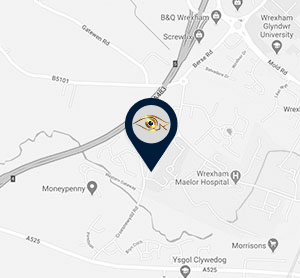
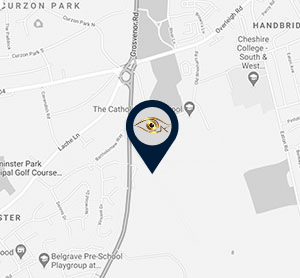
I see patients across North Wales and North West England, with clinics in Wrexham, Abergele, Chester and Manchester.
My clinic locations include Spire Yale Hospital in Wrexham, Spire Healthcare Abergele Clinic, The Grosvenor Hospital in Chester and Regency Eye Hospital in Manchester.
If you are considering private cataract surgery, you can book a free telephone appointment to discuss your concerns and find out what the next steps may be.
Book a free telephone appointment
If cloudy or blurred vision is affecting your life, you do not have to work out your options alone.
Book a free telephone appointment to discuss your vision, ask questions about cataract surgery and find out whether an in-person assessment may be right for you.
I want you to understand your options and feel confident about the decisions you make for your eyes.
Book a free telephone appointment and take the first step towards clearer vision.

Mr Dan Nguyen
MBChB MBA FRCOphth FRANZCO Consultant Eye Surgeon
As a Consultant Eye Surgeon, I combine specialist expertise with a personalised approach to every patient. My goal is to provide clear, expert guidance and high-quality care, helping you understand your treatment options and make confident decisions about your vision.
Share This Post


Mr Dan Nguyen
Consultant Eye Surgeon
I‘m your guide to better vision. In times when long waiting lists and unclear options are the norm, it’s easy to feel stuck and worried about your eye health. Don’t let that hold you back. I’m here to show you that you can skip the endless queues and make real progress. Remember, you’re unique, not just another name on a list. Every patient I see receives top-notch care, tailored to their specific needs and lifestyle.